







Nick Hill a local shooter with a strong presence in the shooting community, having contributed numerous articles to magazines and blogs over the years. Known for his straightforward, no-nonsense approach, he offers honest, unbiased opinions. His expertise is primarily focused on airguns and rimfire firearms, and Nick has very kindly given us his thoughts on the DNT TNC225R Thermal scope. With this he will also answer some frequently asked questions which you can find at the bottom of the post, including; How does the image quality compare to the Zulus? What is the thermal detection range at night? And how is effective is the digital imagery at night?
First impressions are of a solidly made compact unit, typical of DNT/Arken. It is about 100 grammes heavier than the Zulus, but this is only to be expected because of the addition of the Thermal lens. The day and night time digital image/definition is only marginally behind that of the Zulus. In real terms it is really of no consequence.
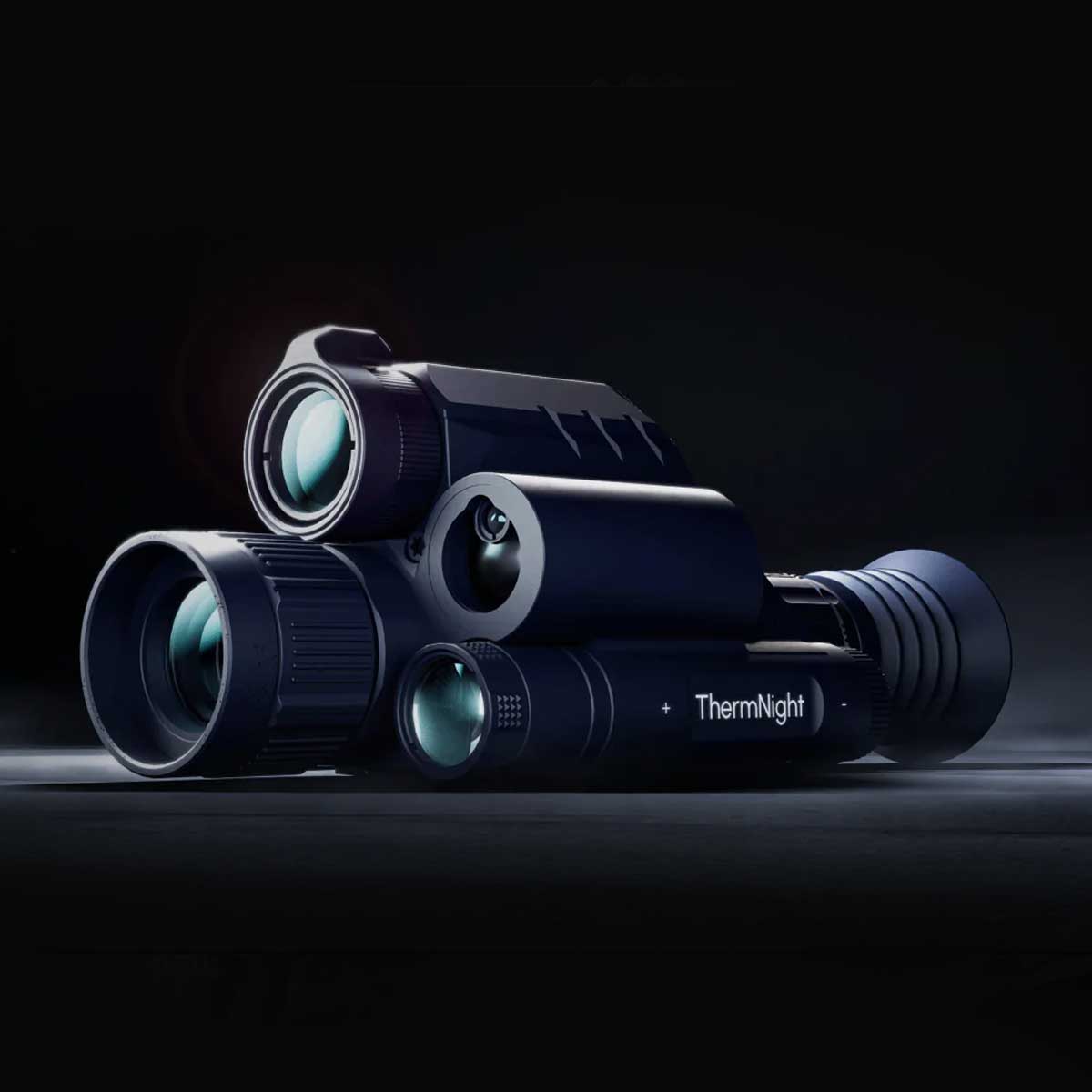
There is a noticeable difference between the two units as the light starts to fade or early mornings. The Zulus is capable of delivering a colour image several minutes after the TNC has given up. This again is of no real concern.....just switch over to digital NV. I often use NV during the daytime when trying to find a target in a tree. For some unknown reason it seems to work, particularly with pigeons which blend in very well against branches. When powering up, it is slightly on the slow side, with the screen image taking a few seconds to stabilise. This could well be down to the thermal warming itself up. The thermal at night is way more than adequate for any style of air rifle and rimfires. Bunny detection on a good night is easily 300m or more.
During the daytime, the thermal needs to have its sensitivity reduced in order to cut out heat signatures from rocks, trees, bushes etc. This then gives a very good daytime ability to not only locate targets on the ground in foliage, but also in trees. I am still using a Pulsar Axion Key 22 which still performs flawlessly, but the TNC's thermal outperforms it by miles! The ability to have both thermal and digital working together is very useful. This can be in the PIP mode or as I prefer, switching between the two full screens at the touch of the easily found big button on the side.
Ballistics input can be done via the DNT app, or manually using the unit alone. The manual is a little lacking in precise detail on setting it up, but there is plenty of help on-line, particularly on one entitled "airgun forums" with a section called "anything optics (scopes, mounts, NV, Illumination). Very helpful on all things NV.
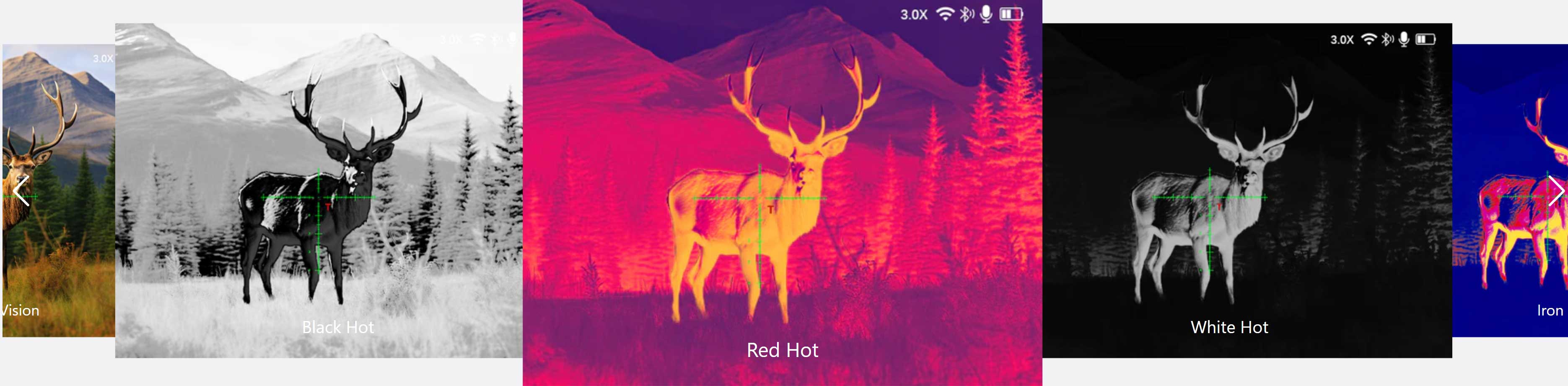
One thing to be aware of is that because the digital and thermal lenses are on different levels and axis, that zeroing must be done in both modes, otherwise precise ballistic ranging will go awry. When setting up the first zero, the same freeze screen can be used both for the digital and thermal. The screen actually prompts you to do this. So do the digital first, followed by the thermal, or vice versa. Both must be done at the same zero distance. The overall procedure is practically the same as the Zulus.
Navigating around the buttons and menus becomes second nature after a few goes. It is good that the menus stay on screen together with whatever image is in current use. This allows you to see instantly what changes you are making.
The digital imagery in both daytime and night time modes cannot be faulted. As previously stated it is a fraction behind the Zulus, but you would have to be really critical to raise that point. On a good night, bunny eye shine is easily detected at 350m or more. Being able to switch IR units between 850 and 940nm is another plus. I tried a 940nm IR on it and there was hardly any difference in range detection. Obviously this IR is totally covert to animals' eyes.
The following are just my slightly negative thoughts. I would have preferred to have had the on board recording sent to a micro SD card, as in the Zulus. Now you have to have the laptop alongside the rifle for any downloads. The manual is decidedly lacking in basic details, and the photos hide some of the detail the text is trying to explain. It is OK if you are conversant with the Zulus, but somebody coming into NV for the first time will be confused. I had to go on-line to get clarification on one or two details.
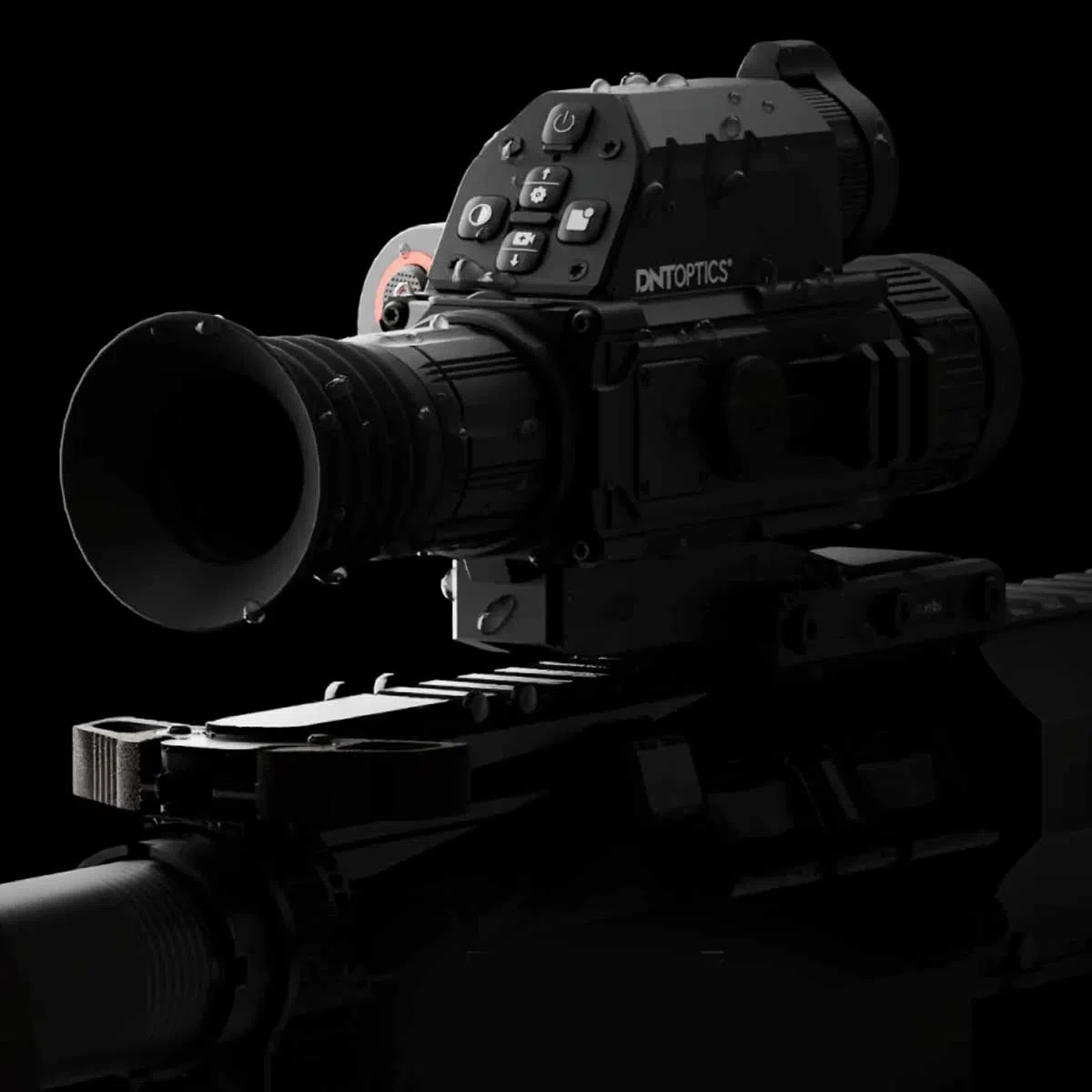
Overall, a superb NV unit. I think the price is equally excellent. Somebody coming into NV for the first time just cannot go wrong with the TNC. Experienced users will definitely find a good use for the thermal format, even when used with an independent hand held TI unit.
F.A.Q's
How does the TNC compare to the Zulus in terms of weight and build?
The TNC is about 100 grams heavier than the Zulus, which is expected due to the addition of the thermal lens. However, it remains a solidly made, compact unit typical of DNT/Arken products.
How does the image quality of the TNC compare to the Zulus?
The day and night-time digital image quality of the TNC is marginally behind the Zulus, but the difference is minor and unlikely to affect practical use. At dawn or dusk, the Zulus can maintain a colour image slightly longer before the TNC switches to digital night vision, but this is also of little concern.
Is the TNC’s power-up time quick?
The TNC takes a few seconds to power up, with the screen image stabilising shortly after. This could be due to the thermal component warming up, but it doesn’t significantly impact usability.
What is the thermal detection range at night?
On a good night, the TNC can detect rabbits at distances of 300 metres or more, making it highly effective for air rifle and rimfire users.
How does the TNC perform during the day?
In daylight, the thermal sensitivity needs to be reduced to filter out heat signatures from non-target objects like rocks and trees. Once adjusted, the TNC excels at locating targets in both foliage and trees.
Can I switch between digital and thermal modes easily?
Yes, you can either use Picture-in-Picture (PIP) mode or switch between full-screen digital and thermal modes at the press of a large, easily accessible button on the side of the unit.
How do I input ballistics information?
Ballistics can be input manually on the unit or via the DNT app. The manual may lack precise instructions, but online forums such as "Airgun Forums" under the "Anything Optics" section provide detailed help.
Do I need to zero the unit in both digital and thermal modes?
Yes, because the digital and thermal lenses are on different levels and axes, you must zero the unit in both modes to ensure accurate ballistic ranging. The same freeze screen can be used for both, and they should be zeroed at the same distance.
How user-friendly is the menu system?
Navigating the menus is straightforward after a few tries. The menus stay on-screen alongside the current image, allowing you to instantly see the effect of any changes.
How effective is the digital imagery at night?
The digital imagery is excellent, with bunny eye shine detectable at distances of 350 metres or more. The unit also allows you to switch between 850nm and 940nm IR, with minimal difference in range detection. The 940nm IR is completely covert to animals.
Can the TNC record video?
Yes, but unlike the Zulus, which records to a micro SD card, the TNC requires a laptop for any downloads, which some users might find inconvenient.
Who is the TNC best suited for?
The TNC is an excellent option for both newcomers to night vision and experienced users. Its combination of thermal and digital night vision, along with its reasonable price, makes it a great choice for various applications.
F.A.Q's
How does the TNC compare to the Zulus in terms of weight and build?
The TNC is about 100 grams heavier than the Zulus, which is expected due to the addition of the thermal lens. However, it remains a solidly made, compact unit typical of DNT/Arken products.
How does the image quality of the TNC compare to the Zulus?
The day and night-time digital image quality of the TNC is marginally behind the Zulus, but the difference is minor and unlikely to affect practical use. At dawn or dusk, the Zulus can maintain a colour image slightly longer before the TNC switches to digital night vision, but this is also of little concern.
Is the TNC’s power-up time quick?
The TNC takes a few seconds to power up, with the screen image stabilising shortly after. This could be due to the thermal component warming up, but it doesn’t significantly impact usability.
What is the thermal detection range at night?
On a good night, the TNC can detect rabbits at distances of 300 metres or more, making it highly effective for air rifle and rimfire users.
How does the TNC perform during the day?
In daylight, the thermal sensitivity needs to be reduced to filter out heat signatures from non-target objects like rocks and trees. Once adjusted, the TNC excels at locating targets in both foliage and trees.
Can I switch between digital and thermal modes easily?
Yes, you can either use Picture-in-Picture (PIP) mode or switch between full-screen digital and thermal modes at the press of a large, easily accessible button on the side of the unit.
How do I input ballistics information?
Ballistics can be input manually on the unit or via the DNT app. The manual may lack precise instructions, but online forums such as "Airgun Forums" under the "Anything Optics" section provide detailed help.
Do I need to zero the unit in both digital and thermal modes?
Yes, because the digital and thermal lenses are on different levels and axes, you must zero the unit in both modes to ensure accurate ballistic ranging. The same freeze screen can be used for both, and they should be zeroed at the same distance.
How user-friendly is the menu system?
Navigating the menus is straightforward after a few tries. The menus stay on-screen alongside the current image, allowing you to instantly see the effect of any changes.
How effective is the digital imagery at night?
The digital imagery is excellent, with bunny eye shine detectable at distances of 350 metres or more. The unit also allows you to switch between 850nm and 940nm IR, with minimal difference in range detection. The 940nm IR is completely covert to animals.
Can the TNC record video?
Yes, but unlike the Zulus, which records to a micro SD card, the TNC requires a laptop for any downloads, which some users might find inconvenient.
Who is the TNC best suited for?
The TNC is an excellent option for both newcomers to night vision and experienced users. Its combination of thermal and digital night vision, along with its reasonable price, makes it a great choice for various applications.